Affordable Furnace Repair in La Mesa, CA: Smart Ways to Save
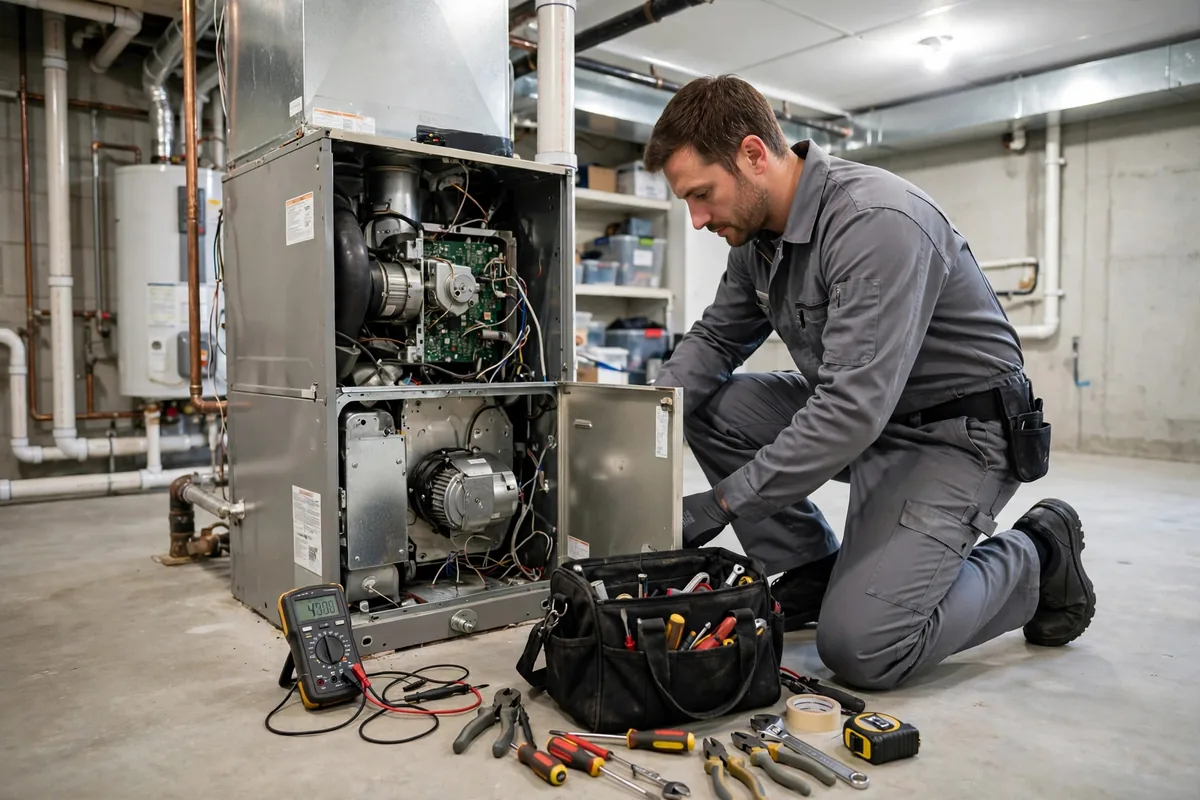
The smartest ways to keep furnace repair affordable in La Mesa: check the thermostat, breaker, and filter before calling, schedule fall maintenance instead of December emergency visits, act on small symptoms early, and describe the problem precisely so the technician fixes it in one visit.
Nobody wants to overpay for furnace repair, and in La Mesa, where heating season is short but cold snaps are real, a surprise breakdown always feels like it arrives at the worst moment. The good news is that affordable furnace repair is mostly about strategy, not luck. This guide covers practical ways La Mesa homeowners can keep heating repair costs down without cutting corners on safety or quality.
Check the Thermostat First
Before you call anyone, spend two minutes at the thermostat. Confirm it is set to heat, not cool or off, a mistake that happens more often than anyone admits after seasons change. Check that the set temperature is above the room temperature. If the display is blank or dim, replace the batteries. If you have a programmable thermostat, verify the schedule did not override your setting. Thermostat issues masquerade as furnace failures constantly, and a dead battery has triggered many service calls that ended with an embarrassed laugh. If the thermostat checks out and the furnace still will not respond, you have useful information for the technician instead of a mystery.
Check the Breaker and the Furnace Switch
Next, check the breaker panel for a tripped furnace breaker and reset it once. Also look for the furnace disconnect switch, usually a standard light-style switch mounted near the unit or at the top of the basement stairs, often with a small label. In La Mesa's older ranch homes, these switches hide in garages and utility closets where they get bumped during storage shuffling. If the breaker trips again immediately after resetting, stop and call a professional: repeated tripping signals an electrical fault that needs diagnosis. One reset is troubleshooting; repeated resets are asking for trouble.
Keep Filters Fresh
A clogged filter is the cheapest problem to prevent and one of the most expensive to ignore. Restricted airflow overheats the heat exchanger, strains the blower motor, and can trip high-limit safety switches that shut the furnace down entirely. Those are the two priciest components in the system, and a fresh filter protects both. Check the filter monthly during heating season and replace it when it looks gray and matted. Homes near busy streets like La Mesa Boulevard or with pets should check more often. Write the date on the filter frame so you always know its age. This single habit prevents more repairs than any other homeowner action.
Book Maintenance in the Fall
Timing is a legitimate money saver. A fall tune-up, scheduled in October or November before the first cold snap, costs less than an emergency visit in December and catches the failures that cold weather exposes. During maintenance, the technician cleans the flame sensor, tests the igniter, checks the blower, verifies safety controls, and inspects the heat exchanger. Worn parts get flagged while they are still inexpensive fixes rather than midnight emergencies. La Mesa winters are mild enough that many homeowners skip maintenance entirely, which is exactly why local companies see a wave of preventable no-heat calls every December. A tune-up also keeps the furnace efficient, which trims the gas or electric bill all season. To schedule fall maintenance, call (619) 939-1577 before the cold arrives.
Do Not Ignore Small Symptoms
Furnaces rarely fail without warning. New noises, longer run times, rooms that used to heat evenly now feeling uneven, a faint burning smell on startup that lingers longer than usual: these are early warnings. A rattling blower today is a scheduled repair; the same blower seizing on a cold night is an emergency call. Short cycling, where the furnace starts and stops every few minutes, is another classic early sign that deserves prompt attention. The pattern is consistent: small symptoms addressed during business hours are affordable, while the same failures addressed at night are not. Train yourself to act on the first sign rather than hoping it resolves.
Describe the Problem Clearly
When you do call, the quality of your description directly affects the cost. Note exactly what the furnace does and does not do: does the thermostat click, does the inducer fan start, do the burners ignite, does the blower run? Mention any noises and when they occur, any error codes on the thermostat display, and when the problem started. This information lets the technician bring likely parts on the first visit. Every return trip adds labor cost, so a precise description that enables a one-visit fix is real money saved. When you call (619) 939-1577, expect questions about these details: they are how a good diagnosis starts.
Know Your Furnace
Find the model and serial information on the rating plate inside the furnace cabinet and keep a photo of it on your phone. Knowing the brand, approximate age, and fuel type speeds up parts identification enormously, especially for furnaces over 15 years old where parts compatibility needs verification. If you know the furnace is 18 years old and the blower motor just failed, you can have a grounded conversation about whether repair or replacement makes more sense, rather than deciding under pressure. Knowledge is leverage, and it costs nothing to gather.
Combine Issues Into One Visit
If you have noticed more than one issue, a noisy vent here, a thermostat that reads a few degrees off there, mention everything when you book. A technician already on site can evaluate secondary concerns for far less than the cost of a second visit. The same logic applies to maintenance: if the fall tune-up is due and the furnace has developed a rattle, book them together. One trip, one diagnostic process, one invoice.
Where Saving Money Is a Bad Idea
Some savings are false economies. Never skip safety verification on gas components: the gas valve, burners, and venting must be checked by someone who knows what to look for. Never ignore a suspected cracked heat exchanger, which can allow combustion gases into your home's airflow; this is a replace-the-furnace situation, not a repair to shop around for cheap. Never attempt electrical repairs beyond the breaker panel. And never choose a contractor on price alone without verifying they diagnose properly, because the cheapest quote attached to the wrong repair is the most expensive outcome. Affordable means smart, not cut-rate. Spend where safety lives, save everywhere else.
Smart Savings Add Up
Affordable furnace repair in La Mesa comes down to habits: check the simple things first, maintain the system every fall, act on small symptoms early, communicate clearly, and never economize on safety. Follow this playbook and most heating seasons will pass with nothing more than a filter change and a tune-up. When something does need professional attention, call (619) 939-1577 for a proper diagnosis and honest recommendations.
Frequently Asked Questions
Is cheap furnace repair safe?
Cheap is fine when it means catching problems early and avoiding emergency premiums. It is not fine when it means skipping safety checks on gas components or the heat exchanger. Save money on timing and maintenance, never on safety verification.
What can I check myself before calling for repair?
Check the thermostat settings and batteries, confirm the furnace switch is on, check the breaker panel, and look at the filter. These five minutes resolve a surprising number of no-heat calls with no visit needed.
Does regular maintenance really save money?
Yes. A fall tune-up catches worn igniters, dirty flame sensors, and weak capacitors while they are still cheap fixes, and it keeps the furnace running efficiently all winter. It is the highest-return money you can spend on a heating system.
When should I not try to save money on furnace work?
Anything involving gas supply, the heat exchanger, or electrical components beyond the breaker panel should be left to a professional. Gas leaks, cracked heat exchangers, and scorched wiring are safety issues where expert diagnosis is non-negotiable.
Can bundling repairs into one visit save money?
Yes. If you have noticed two issues, such as a noisy blower and a thermostat that misreads temperature, mention both when you call. One diagnostic visit covering both is more economical than two separate trips.
Need Help With Your Furnace?
If this guide describes what your furnace is doing, the next step is a professional diagnosis. Call (619) 939-1577 and describe the symptoms; FurnaceGuard La Mesa will match you with an independent contractor and schedule the visit.