Thermostat Problems That Look Like Furnace Failure
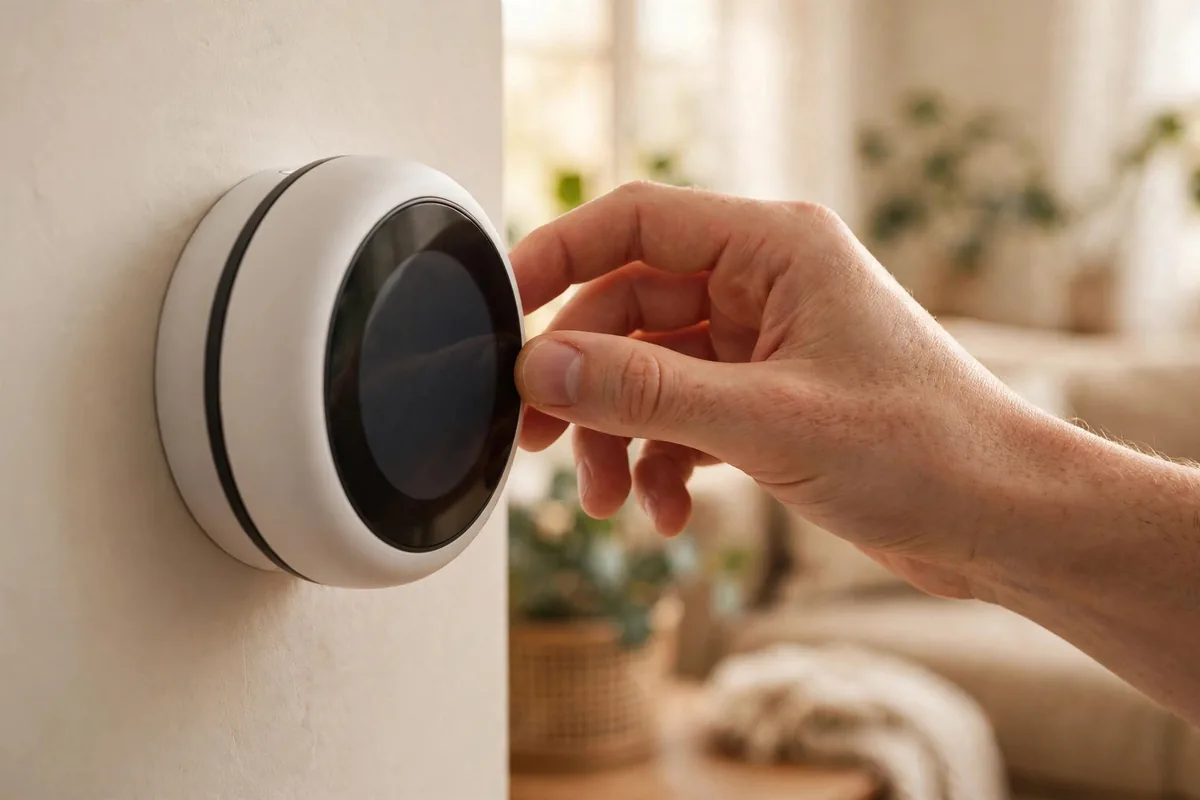
To tell a thermostat problem from a furnace problem, check if the thermostat display is lit and set correctly, then listen: if the furnace makes no attempt to start, suspect the thermostat, its wiring, or power. If the furnace tries to start but fails, the problem is in the furnace itself.
When the heat stops working, most homeowners blame the furnace. Technicians will tell you that a meaningful share of those calls end at a small plastic box on the wall. The thermostat is the command center: it senses temperature, decides when heat is needed and tells the equipment what to do. When it lies, loses power or miscommunicates, the symptoms look exactly like furnace failure. Here are the misdiagnoses seen most often, and how to avoid paying for a furnace repair you do not need.
The Blank Screen That Looks Like a Dead Furnace
No heat, no display, no response: it feels like the whole system died. But a blank thermostat screen most often means the thermostat itself has no power: dead batteries on battery models, or lost low-voltage power on wired ones. The furnace may be perfectly fine, waiting for a call for heat that never comes. Replace batteries first. If the screen stays dark, check the furnace breaker and power switch, since the transformer that powers the thermostat lives in the furnace. Only when power is confirmed present does suspicion move to the thermostat or the control circuit.
The Thermostat That Lies About Temperature
A thermostat reading 78 in a 68-degree room will never call for heat, and the homeowner concludes the furnace is broken. Miscalibration develops with age, especially in older mechanical models. Worse is bad placement: thermostats mounted in direct sun, above heat-producing appliances, in drafty hallways or directly under a supply register read a fantasy temperature. Compare the thermostat reading to an accurate thermometer placed nearby. A large, consistent gap means the control is lying, and the fix is recalibration, relocation or replacement, not furnace work.
Short Cycling Blamed on the Furnace
Rapid on-off cycling gets blamed on furnace controls, but thermostats cause it too. A thermostat in a draft satisfies the moment cool air hits it, then calls again minutes later. Heat anticipator settings on older models, designed to prevent overshoot, can be misadjusted and cause premature shutoff. And some smart thermostats with aggressive algorithms cycle equipment more than necessary. If cycling began after a thermostat change or relocation of furniture that altered drafts, the wall unit deserves investigation before the furnace does.
The Wiring Problem Behind Intermittent Heat
Heat that works sometimes and not others, with no pattern, often traces to low-voltage wiring: loose terminal screws, corroded connections, or wires nicked during a remodel. The furnace is fine; the signal just does not arrive reliably. This one is hard to catch without metering the control circuit under different conditions, which is why intermittent problems frustrate homeowners. A technician can test the circuit and find the break.
When It Really Is the Furnace
To be fair, plenty of no-heat calls are genuinely the furnace: the thermostat calls correctly and the equipment fails to answer. The distinguishing test is whether a proper call for heat reaches the furnace. Technicians verify this directly, which is why professional diagnosis starts at the thermostat and works outward. If you have checked settings, batteries, placement and power and the furnace still misbehaves, call (619) 939-1577. The diagnosis will rule the thermostat in or out first,
Smart Thermostat Quirks That Mimic Breakdowns
Smart thermostats add features and failure modes. Aggressive learning algorithms can short cycle equipment by chasing tiny temperature changes. Geofencing set too tight shuts the heat off every time you run an errand. Power-stealing designs on systems without a common wire cause erratic behavior and rapid battery drain. And a firmware update can reset equipment configuration to defaults that do not match your furnace. If heating problems started after installing or updating a smart thermostat, check its equipment settings and features before suspecting the furnace. The fix is often configuration, not hardware.
When the Thermostat and Furnace Both Test Fine
Sometimes the control is accurate and the furnace is healthy, yet comfort is still poor. That points to the delivery system: leaky or undersized ducts, poor return placement, or a house with additions the original system was never designed for. The thermostat reads correctly, the furnace heats correctly, but the heat never arrives where it is needed. This is the most overlooked outcome in heating complaints, and it is worth naming: not every comfort problem is a control problem or an equipment problem. A good diagnosis covers the ducts too.
so you only pay for the repair you actually need.
Zoned Systems: Multiple Thermostats, New Complexity
Homes with zoned heating run multiple thermostats controlling dampers that direct air to different areas. When one zone misbehaves, the suspect list grows: the zone thermostat, its damper motor, the zone control panel, and the wiring between them. A zone calling for heat that never arrives may have a stuck damper rather than any thermostat or furnace fault. Zoned diagnostics take longer because each zone must be tested independently. If your home has two or more thermostats, mention it when you call so the visit is planned with enough time.
Frequently Asked Questions
Can I test whether the thermostat is the problem myself?
You can check settings, batteries and placement, and compare its reading to an accurate room thermometer. Bypassing or jumpering thermostat wires to test the furnace directly is technician work, not homeowner work.
How long do thermostats last?
Mechanical thermostats can run decades but drift out of calibration. Digital and smart thermostats last many years but can fail electronically. Age alone is not a diagnosis; testing is.
Will a new smart thermostat fix my heating problems?
Only if the thermostat is the problem. A smart thermostat cannot fix a cracked igniter, a failed blower or undersized ducts. Diagnose first, upgrade second.
Need Help With Your Furnace?
If this guide describes what your furnace is doing, the next step is a professional diagnosis. Call (619) 939-1577 and describe the symptoms; FurnaceGuard La Mesa will match you with an independent contractor and schedule the visit.