Gas vs Electric Furnace: What La Mesa Homes Usually Have
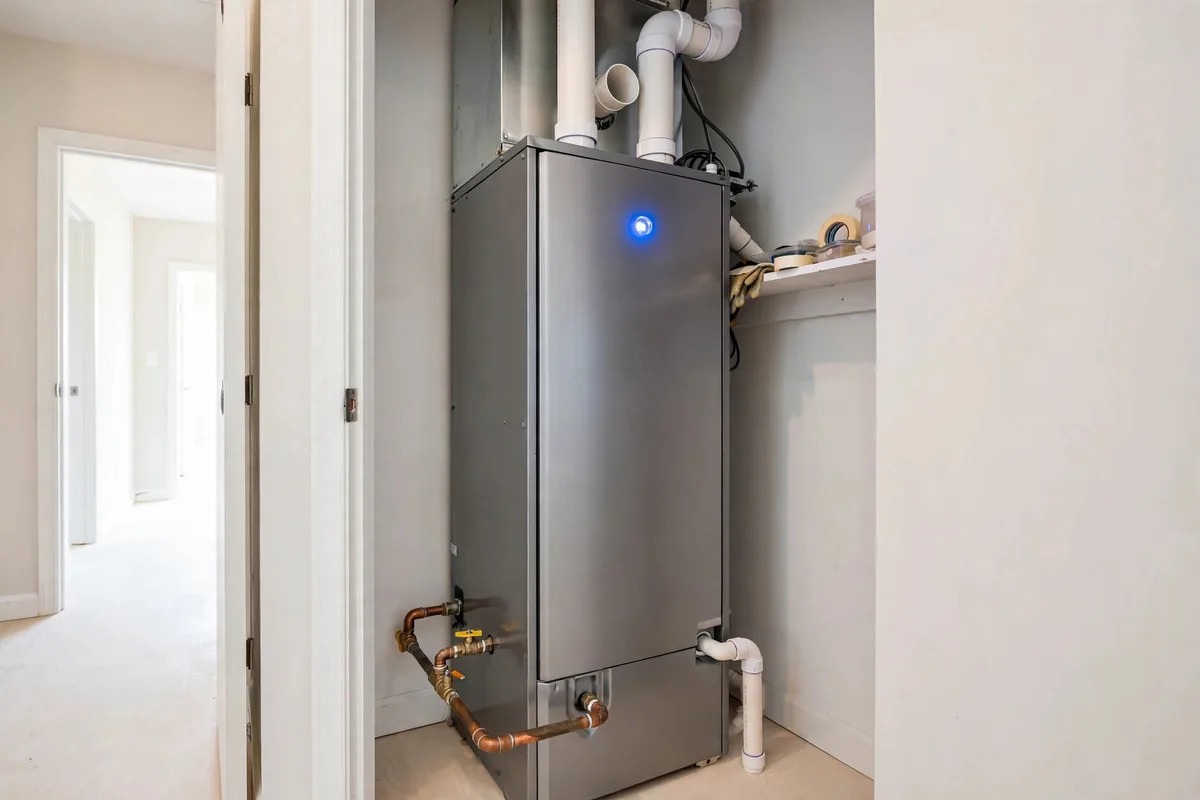
Gas furnaces heat faster and cost less to run in La Mesa, but need venting and gas safety checks. Electric furnaces are simpler and safer with no combustion, but cost more to operate and rely on high-amperage components. The right choice depends on your home's existing fuel supply and ductwork.
Most La Mesa homes heat with natural gas, but electric furnaces are more common than many homeowners realize: in additions, converted garages, all-electric homes and houses where gas was never run. Knowing which type you have matters when something breaks, because gas and electric systems fail in completely different ways and need different diagnostic approaches. Here is how to tell, and what each type means for repairs.
How to Tell What You Have
Open the furnace access panel (with the power off) or just look at the installation. A gas furnace has a gas supply line entering the unit, a burner compartment with visible burners, and a metal flue pipe carrying exhaust outside. An electric furnace has none of those: instead you will see heavy electrical cables, one or more large breakers, and banks of heat strips that glow when energized. No combustion means no venting. The specification label inside the panel states the fuel type and electrical requirements definitively. If you are still unsure, the installing contractor's paperwork or a quick look by a technician settles it.
Gas Furnaces: How They Fail
Gas furnaces run a precise ignition sequence: inducer fan, igniter, gas valve, flame sensing, blower. The wear items are the igniter (brittle ceramic that cracks after years of heat cycling), the flame sensor (oxidation weakens its signal), and the pressure switch and control board. Gas furnaces also have the one safety-critical component in home heating: the heat exchanger, which must be inspected for cracks on aging units because a breach can admit carbon monoxide into the supply air. Repairs are mechanical and combustion-focused, and gas work always stays with the technician.
Electric Furnaces: How They Fail
Electric furnaces are simpler in concept: sequencers stage resistive heat strips on in order, and the blower moves air across them. Failures are electrical: burned-out strips, failed sequencers that leave stages off, tripped breakers, and wiring problems. Diagnosis is meter work, measuring amperage on each strip and verifying staging order. There is no combustion, no flue and no carbon monoxide risk, which simplifies both installation and maintenance. The critical factors are adequate electrical service and good airflow across the elements.
What La Mesa Homes Usually Have
La Mesa's post-war building boom ran on natural gas, so the majority of original furnaces in neighborhoods like the Village, Fletcher Hills and central La Mesa are gas. Electric heat shows up in specific situations: homes built all-electric, room additions where running gas was impractical, converted spaces, and houses paired with heat pumps where the electric furnace serves as backup or primary heat. If your home has a gas meter and gas appliances, the furnace is almost certainly gas. If there is no gas service at all, it is electric by necessity.
Repair and Maintenance Differences
Gas furnace maintenance centers on combustion: burner cleaning, flame sensor service, heat exchanger inspection, venting checks and carbon monoxide verification. Electric furnace maintenance centers on electrical health and airflow: strip amperage, sequencer operation, breaker and wiring condition, and blower performance. Both need clean filters and verified airflow. Service intervals are the same: a fall tune-up before heating season, which in La Mesa means early fall before the first cold snap.
When Replacement Time Comes
Fuel type is part of the replacement conversation but not the whole of it. Homes with existing gas service usually stay with gas for heating capacity and operating cost. All-electric homes choose between electric furnaces and heat pumps, with heat pumps offering higher efficiency in La Mesa's mild climate. Either way, the decision starts with a load calculation for the house, not with the fuel label on the old unit.
Heat Pumps: The Third Option La Mesa Homeowners Ask About
No fuel discussion in La Mesa is complete without heat pumps, which many homeowners consider when replacing a furnace. A heat pump moves heat rather than making it, which makes it highly efficient in mild climates like San Diego County's. In practice, La Mesa homes often pair a heat pump with a gas or electric furnace as backup for the coldest nights, a setup called dual fuel. Whether a heat pump fits your home depends on your ductwork, electrical service and how you use the house. It is worth discussing alongside gas and electric options when replacement time comes, because the mild climate is exactly where heat pumps shine.
Call (619) 939-1577 to talk through the options for your specific home.
What About Wall Furnaces and Floor Furnaces?
Many older La Mesa homes heat with wall furnaces or floor furnaces rather than central systems: compact gas units that heat the rooms around them directly. They follow the same gas-versus-electric logic on a smaller scale. Wall furnaces need the same maintenance as their larger cousins, burner cleaning, pilot or ignition service, venting checks, and their heat exchangers deserve the same scrutiny with age. If your home relies on wall furnaces and you are considering central heat, that is a full installation project: ductwork, equipment sizing and venting planned together. Call (619) 939-1577 to discuss what your home has and what makes sense next.
Frequently Asked Questions
How can I tell whether my furnace is gas or electric?
Look for a gas line and a flue pipe: gas furnaces have both, plus a burner compartment. Electric furnaces have heavy electrical cabling, breakers labeled for heat strips, and no venting. The model plate inside the access panel also states the fuel type.
Which is cheaper to run in La Mesa?
It depends on your utility rates and how much heat you use. Gas usually costs less per unit of heat, but La Mesa's short heating season keeps total bills modest either way. A technician can compare based on your actual equipment and rates.
Can I switch my home from gas to electric heat?
Sometimes. It requires adequate electrical service, new equipment and controls, and sometimes duct changes. It is assessed like a new installation, starting with a load calculation.
Need Help With Your Furnace?
If this guide describes what your furnace is doing, the next step is a professional diagnosis. Call (619) 939-1577 and describe the symptoms; FurnaceGuard La Mesa will match you with an independent contractor and schedule the visit.